Placing the Conversation: A Working Method for Conference Dinner Seating
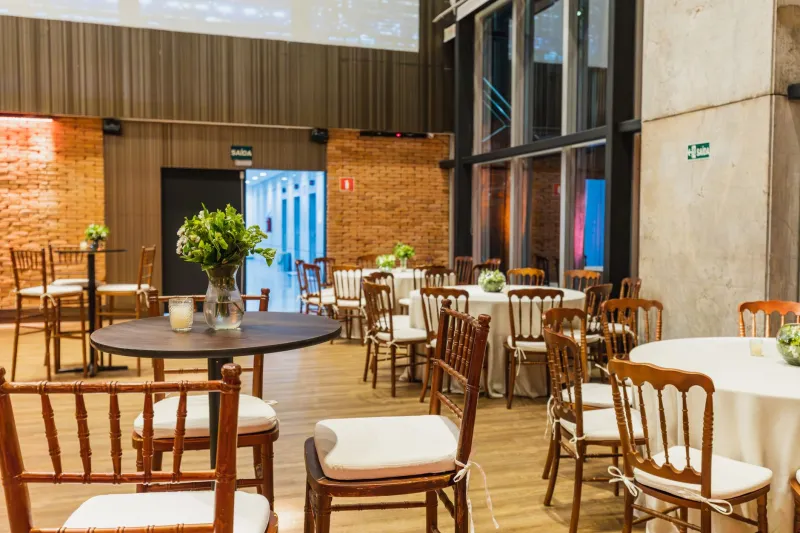
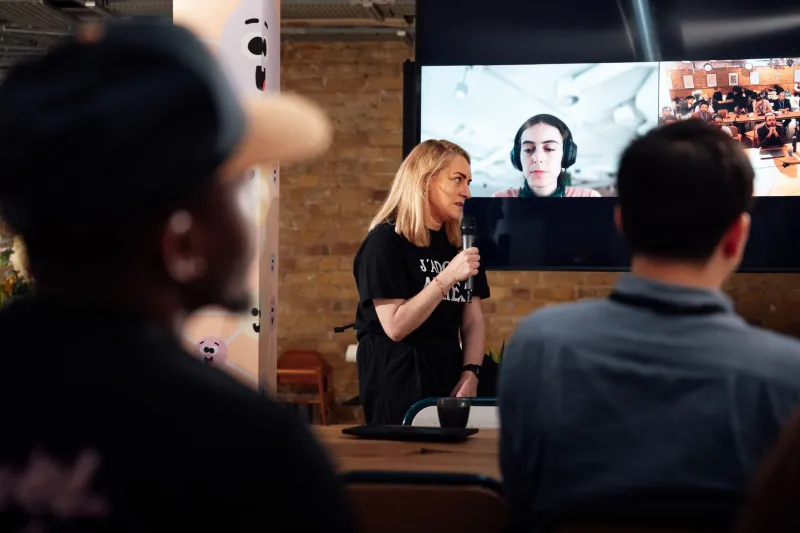
Conference dinners occupy a curious position in the UK events calendar. The daytime programme is interrogated for months: speakers vetted, sessions timed to the minute, breakout rooms walked in advance. Then the evening arrives, the tables are laid in rounds of eight or ten, and the seating is assembled in an afternoon by whoever happens to be free. It is the least examined hour of the whole event, and frequently the one delegates remember longest.
That imbalance deserves attention, because a table plan is not decoration. It is a quiet piece of programming that decides which conversations become possible, which delegates spend ninety minutes nodding politely at strangers, and whether the person with the most useful experience in the room is sitting next to anyone who needs it.
What a table actually decides
A seating plan resolves three questions at once, usually without anyone acknowledging them. First, proximity: who is close enough to speak without raising their voice. Second, permission: whether a junior delegate feels able to contribute when the table is anchored by a chief executive. Third, rhythm: whether the table has someone who can move the conversation from the weather to the work.
Get those three right and the dinner does the networking that the conference brochure promised. Get them wrong and you have created an expensive room full of people checking the time of the last train.
There is also a matter of equity. Delegates who travel alone, who are early in their careers, or who are attending from outside the host organisation's usual circuit are the most exposed by a careless plan. They are also the most likely to be placed wherever a chair remains. The seating chart is therefore one of the clearest signals an organiser sends about how welcome a first-time attendee actually is.
A method for organisers: four decisions, taken in order
Map the room before you map the tables. List every confirmed guest with three attributes: sector, seniority band, and what they have come to the event hoping to find. That last column matters more than the first two, and it is usually the one nobody records. A thirty-second question on the booking form — what would make the event worthwhile for you? — supplies it.
Decide what each table is for. Not every table should be a mixed bag. One might deliberately gather people working on the same regulatory problem across different sectors. Another might be a soft landing for first-timers, hosted by a confident member of the organising committee. A third might be a genuinely senior table, provided it is signalled as such and not treated as a reward. Mixing sectors works best when there is a shared task or theme to bridge the difference; mixing seniority works best when the senior person understands they are there to draw others out, not to hold court.
Balance temperament, not just title. Every table benefits from one person who is comfortable opening a conversation and one who is comfortable asking the second question. Two dominant talkers at the same table is a design fault; a table of quiet delegates with no host is worse. If you know your membership well enough to staff a panel, you know enough to staff a table.
Brief the host. A table host needs three things: the names and one-line backgrounds of everyone seated with them, a question or two to break the ice without gimmick, and permission to steer. Hosting is a small skill and a real contribution; it should be recognised as part of the event work rather than an accident of seniority.
The practicalities that undermine good intentions
A plan is only as good as its logistics. Round tables of eight are more forgiving than long trestles, where conversation splits into two halves and the far end is effectively a separate dinner. Place names should be legible and set before guests arrive, so nobody has to negotiate a seat in front of an audience. Pre-dinner drinks should last long enough for people to recognise a familiar face before they are asked to sit among strangers.
Dietary requirements, accessibility needs and alcohol-free preferences belong in the seating data, not in a separate email that reaches the caterer but never the host. A non-drinking delegate placed at a table where the wine is the main social lubricant will notice. So will the guest who uses a wheelchair if the accessible place is the one nearest the door and furthest from the conversation.
Cost transparency matters too. If the dinner is ticketed, say so early and plainly; surprise charges are remembered far longer than the meal. And give people an honest finishing time. A dinner that runs past the last sensible train converts a good evening into a logistics problem, particularly for those visiting a regional city from elsewhere in the UK.
For attendees: how to use the plan rather than resent it
Arrive at the pre-dinner drinks with a purpose that is not transactional. One useful introduction and one genuinely interesting exchange will do more for a working relationship than a pocketful of cards.
At the table, ask questions that invite experience rather than status. What are you working on that is proving harder than expected is a better opener than what do you do. If you are seated next to someone more senior, resist the urge to perform; ask what they have changed their mind about in the past year. If you are the senior person, treat the table as a session you are chairing, and hand the floor round deliberately.
Finally, note two names and one thing you discussed, before the evening blurs. The follow-up message sent within a week is where the dinner's value is banked.
The plan is a statement of intent
The conference dinner is not an afterthought bolted to the end of a serious day. It is the part of the programme where the sector actually talks to itself, across boundaries that the sessions keep neatly separate. Treating the table plan as a strategic document — drafted, reviewed and briefed like any other part of the agenda — costs an organiser a couple of hours and repays them in relationships that outlast the event. For MCon UK members, that is a return worth planning for.