Room to Think: Designing UK Conferences for Sensory Difference
The conference as a sensory environment
A UK conference is rarely a neutral space. It is a carefully engineered environment: lighting rigs, amplified keynotes, exhibition stands, clinking glasses and the low hum of several hundred conversations. For many delegates, that intensity is the point. For neurodivergent managers and consultants — including those with autism, ADHD, dyslexia or sensory processing differences — it can be a barrier that no amount of networking confidence will overcome.
The issue is not whether a conference is 'too loud' in absolute terms. It is whether the organisers have considered the cumulative sensory load and offered a legitimate way to step away from it. In 2026, that consideration remains uneven across the UK events calendar. Some venues provide a quiet room; others provide a cupboard with a chair and a handwritten sign. The difference matters, both for the individuals concerned and for the organisations that send them.
More than a spare cupboard
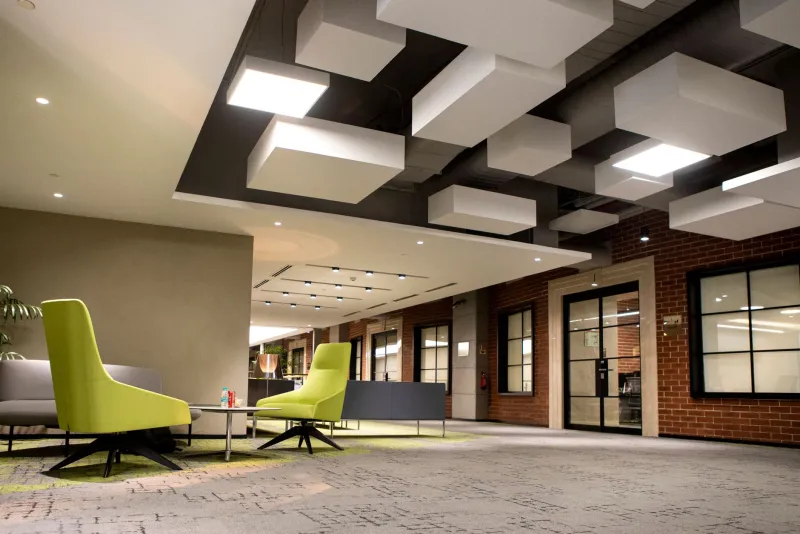
A quiet room should be a designed space, not an afterthought. That means a room with a door that closes properly, soft lighting, minimal visual clutter and seating that does not encourage impromptu meetings. It should be available throughout the day, not only during lunch. It should be signposted from the main thoroughfare and listed in the delegate handbook with clear expectations: no phone calls, no group conversations, no working sessions.
Booking systems help. A simple online slot or a sign-in sheet prevents the room from being colonised by a single delegate who treats it as a private office. Organisers should also consider proximity: a quiet room at the far end of a venue is better than one next to the exhibition hall, but it must still feel safe and easy to reach. Clear signage, including floor plans and consistent symbols, reduces the cognitive effort required to find it.
The cost is modest. A mid-sized UK conference might spend tens of thousands of pounds on audiovisual production and venue hire. A quiet room typically requires little more than a suitable space, a few soft furnishings, dimmable lighting and a named steward. Relative to the overall budget, it is a rounding error.
Low-stimulation alternatives
The main programme also deserves scrutiny. Plenary sessions are often designed for maximum impact: rapid slide changes, video interludes, audience microphones and a tightly packed schedule. Breakout sessions can offer a calmer alternative without becoming less substantive. Smaller rooms, natural light where possible, a clear start and finish time, and speakers who agree to avoid flashing visuals or sudden sound cues all help.
Organisers can also signal the character of a session in advance. A simple label in the programme — 'calm format' or 'low-stimulation breakout' — allows delegates to choose what suits them. This is not about lowering the intellectual bar. It is about recognising that a case study delivered in a quiet room with a visible agenda can be just as valuable as a theatrical keynote, and sometimes more so.
Predictability is part of the design. A schedule that shifts at short notice, sessions that overrun, and unclear room changes all increase anxiety. Publishing a final programme with realistic timings, clear breaks and advance notice of any changes is a basic courtesy that benefits every delegate, not only those with sensory differences.
The business case, not the compliance box
Some organisers treat accessibility as a legal obligation to be managed. The Equality Act 2010 does require reasonable adjustments, and conference providers should take that seriously. But the stronger argument is commercial. Neurodivergent managers and consultants are a significant part of the professional workforce. If a conference is exhausting or hostile to them, they will attend less, leave early or decline to return. That affects attendance figures, delegate retention and the reputation of the event among the organisations that pay for places.
There is also a reputational dimension. UK managers talk to each other. A conference that is visibly thoughtful about sensory accessibility earns goodwill that no glossy brochure can buy. It signals that the organisers understand the needs of a diverse professional audience, not just the needs of the speakers and sponsors.
A practical sequence for organisers
First, audit the current offer. Walk the venue as a delegate would, noting noise levels, lighting, signage and the availability of calm space. Second, consult. Ask neurodivergent managers and disability networks what would actually help, rather than assuming. Third, pilot. Introduce a quiet room and one low-stimulation breakout at the next event, measure uptake and gather feedback. Fourth, embed. Add sensory considerations to the standard event checklist so they are not dependent on a single champion.
None of this requires a radical overhaul. It requires attention, a modest budget line and a willingness to see the conference from the perspective of the delegate who is quietly struggling. A room to think is not a luxury. It is a mark of a well-run event.