Small Rooms, Serious Thinking: The Case for Regional Gatherings in UK Management
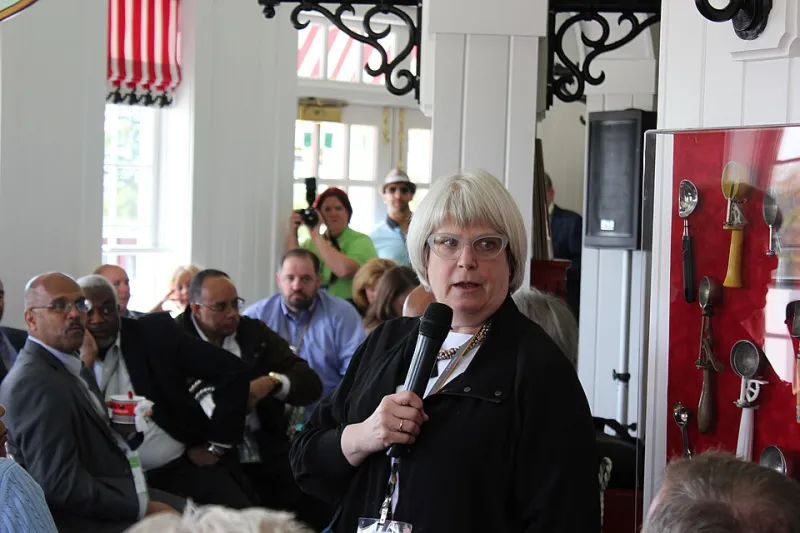
Photo: A Healthier Michigan, CC BY-SA 2.0, via Wikimedia Commons
The UK conference calendar remains dominated by large national events. They promise scale, prestige and a programme broad enough to appeal to every corner of the profession. Yet a quieter shift is taking place among managers. Increasingly, they are choosing smaller regional gatherings over flagship national conferences. This is not a rejection of ambition. It is a more discerning approach to learning, connection and return on time.
For MCon UK, the trend matters because it challenges the assumption that professional development must be large to be serious. Regional events can be focused, practical and closely tied to local business conditions. They can also be more accessible for managers who cannot justify several days away from their teams. The question is not whether national conferences still have value. It is whether managers are choosing the right format for the outcome they need.
The Limits of the National Stage
Large conferences excel at breadth. They bring together speakers, exhibitors and delegates from across the country and offer a sense of occasion. For managers seeking a broad overview of a sector, they can be useful. But scale has costs. Programmes become crowded, conversations become brief and the exhibition floor can dominate the agenda. The pressure to justify attendance often leads delegates to fill every hour, leaving little time for reflection or genuine exchange.
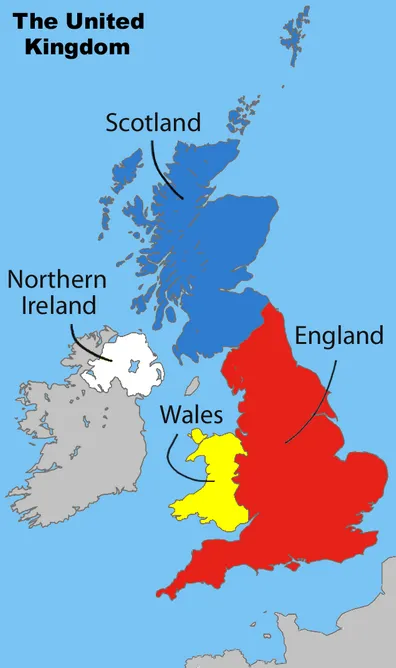
There is also the question of relevance. A national programme must appeal to a wide audience, which means much of it may be only loosely connected to a manager's immediate challenges. A regional event can go deeper because it does not need to serve everyone. It can focus on the issues facing a particular sector, city or professional community. For managers in Manchester, Bristol, Leeds, Birmingham, Glasgow, Cardiff or Newcastle, the local economy, talent market and client base may matter more than a national headline theme.
What Is Driving the Shift
Several factors are converging. Travel and accommodation costs remain under scrutiny, particularly in organisations that are reviewing every discretionary expense. Time away from client work is harder to justify than it once was. Hybrid working has also changed expectations: managers are more willing to attend a half-day event nearby than to commit to a multi-day national programme. Environmental considerations are part of the calculation too, especially where rail travel and overnight stays are involved.
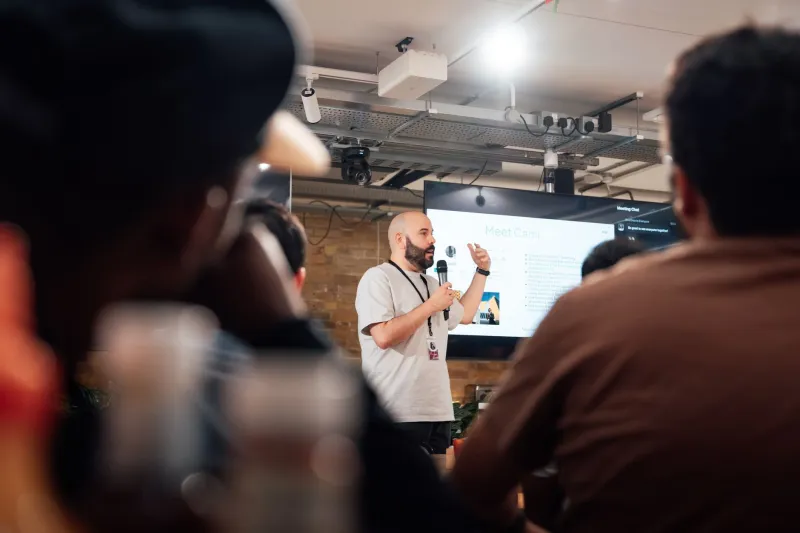
At the same time, managers are looking for genuine connection. Large events can feel transactional. Smaller regional gatherings tend to attract delegates with a shared interest, which makes conversation more substantive. A roundtable of twenty managers discussing a specific operational problem may deliver more value than a keynote addressed to two thousand people. The learning is closer to the work, and the network is easier to sustain.
Finding High-Value Local Events
Not every regional event is worth attending. The label 'local' is not a guarantee of quality. Managers should apply the same scrutiny they would to a national conference.
First, examine the programme. A curated agenda with practitioner speakers, clear learning outcomes and opportunities for discussion is more promising than a schedule built around sponsor slots. Second, consider the delegate mix. Will you be among peers who can share practical experience, or will the room be dominated by suppliers? Third, check the format. Workshops and roundtables usually offer more depth than lecture-style sessions. Fourth, look for evidence of a community. Organisers who run regular events, publish follow-up materials or facilitate ongoing discussion are more likely to create lasting value.
It is also worth asking what you will leave with. A useful test is whether the event is likely to produce two or three practical actions and two or three meaningful contacts. If the answer is unclear, the event may be better suited to general awareness than career development. Professional bodies, local business networks and MCon UK's event programme can help managers identify credible regional options without relying on marketing alone.
Measuring the Career Impact
Regional attendance should be treated as a development intervention, not a day out. Before attending, define what you want to achieve. That might be solving a specific problem, learning about a new regulation, meeting peers in a similar role or raising your profile in a local market. After the event, review progress at 30, 60 and 90 days.
Useful measures include whether you implemented an action, maintained a new contact, received a follow-up request or gained an invitation to speak or contribute. Qualitative evidence matters too. Did the event change how you approach a challenge? Did it give you language to make a case internally? Did it reduce the isolation that many managers feel in specialised roles? These outcomes are harder to count, but they are often the most valuable.
A short written summary for your manager can help. It demonstrates that the time was used deliberately and provides evidence for future development conversations. It also makes the return on investment visible without reducing the event to a simple attendance statistic.
Making the Employer Case
Securing support for regional attendance usually requires a clear, concise case. Prepare a one-page proposal covering the event, its cost, the learning outcomes, its relevance to team priorities and the time required. Compare it with the cost and disruption of a national conference. Emphasise that a local event may require less travel, less time away from clients and a lower fee.
Offer to brief colleagues on what you learned. Suggest that the knowledge be shared through a short team session or written note. Align the request with your development plan and any continuing professional development requirements. If budget is tight, ask whether time can be supported even if the fee is not. A manager who attends a local half-day event at their own expense but with employer time may still deliver value to the organisation.
The regional revival is not a rejection of national conferences. It is a sign of a more mature event market in which managers choose formats that match their objectives. For employers, the opportunity is to support more focused development rather than defaulting to the largest event on the calendar. For MCon UK, it is a reminder that serious thinking does not always require a large stage. Sometimes the most useful room is the smaller one.