Holding the Floor: The Quiet Craft of Chairing a Conference Panel
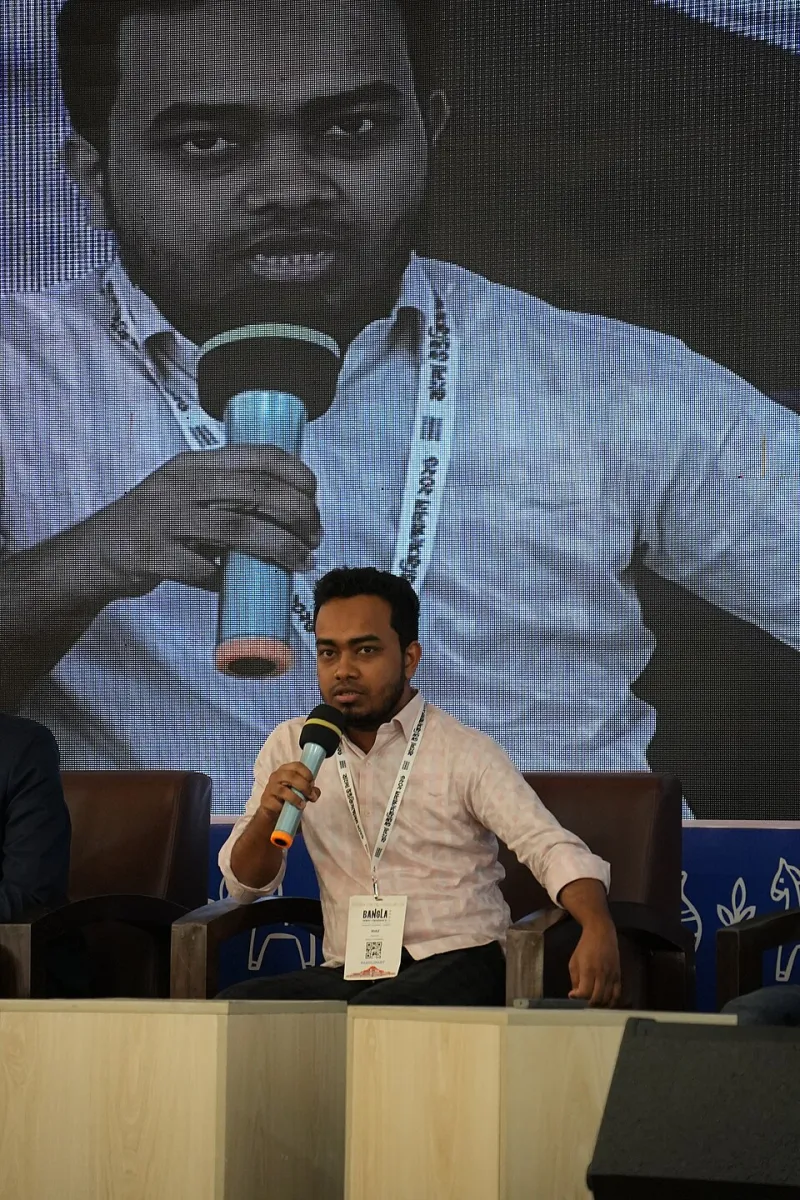
Photo: Wikimedia Bangladesh, CC BY-SA 4.0, via Wikimedia Commons
The email arrives with a flattering opening line and a vaguely apologetic second one. Would you mind chairing a panel at the conference? It is only a session, the organisers say, and they have already lined up the speakers. The implication is that the real work has been done elsewhere and you are being asked to hold a clipboard and watch the clock.
That framing is wrong, and it is worth correcting early. A panel is not a broadcast with several presenters; it is a conversation with an audience attached, and the chair is the only person in the room whose job is to make that conversation legible. Accept the invitation, by all means, but accept it as a piece of managerial work rather than a ceremonial one.
What the role actually involves
Three duties sit underneath the title. The chair sets the terms on which the panel will operate, holds the space while it runs, and leaves a record once it is over. Everything practical follows from those three.
The most common mistake first-time chairs make is to behave like a fifth panellist. If you offer your own analysis at length, you have taken time from the speakers the audience came to hear and from the audience itself. Your opinions are not forbidden, but they should be brief, occasional and used to sharpen a point rather than to compete with one.
Write a briefing that people will actually read
Most panellists receive a session title, a start time and a link. That is not a briefing. A chair who sends a single well-made document roughly ten days before the event will find the session transformed.
Aim for one page, two at the very most, and include the following: the session question expressed in one sentence; what each panellist is being asked to contribute, as distinct from what their biography says; a house rule on length, ideally no more than three or four minutes for opening remarks; a short description of the audience and what they are likely to know already; and a closing ask. That closing ask is the one people forget. Request a single written paragraph from each speaker within a week of the session, setting out the one thing they want the room to remember.
Reconfirm timings and logistics 48 hours before the day. A brief sent in good time and then followed up politely is read; a brief sent the night before is skimmed, and the panel arrives unrehearsed.
Curate questions rather than accepting them
Organisers will usually supply a list of suggested questions, often assembled from sponsor interests, audience submissions and last year's programme. Treat all of it as raw material rather than as a script. You are the person who has read the briefs and spoken to the speakers; you are best placed to know which questions will open something up and which will simply produce a recitation.
A workable sequence moves in three stages. Begin with a question that contains a genuine tension, ideally one where the panellists disagree. Move in the middle to a practical complication, the sort of thing that goes wrong in the field. Finish with a question about what a manager should do differently on Monday morning, because that is the question most of the audience is silently holding.
Prepare ten to twelve questions to use six. Write them in plain language and keep each under twenty seconds when spoken aloud. Overlong questions are the single most common failure of otherwise competent chairs, and they are only ever discovered by rehearsing out loud.
Managing the dominant speaker and the quiet one
Every panel contains one person who will answer at length and one who will not answer at all. Neither problem is solved by interruption from the floor.
Handle the dominant speaker with structure. State at the outset that you will bring people in as you go, which gives you licence later to say a name and move on. Sit so that you can catch an eye without turning your back on half the room. If a speaker runs long twice, be direct and courteous: thank them, summarise their point in a sentence, and hand the next question to somebody else by name.
The quiet panellist needs a question they can answer, not a general invitation to contribute. A vague prompt invites further silence; a specific question about a piece of their own experience usually works. Better still, tell them in advance, in the briefing document, that you will come to them at a particular point. Advance notice is not a trick. It is the courtesy that makes a contribution possible.
Defend the audience's time
Audience questions are the part of the session with the least protection. Sessions start late, speakers overrun, and the quarter of an hour set aside for the room quietly becomes five minutes of housekeeping.
Announce the shape of the session at the beginning, including the time you intend to hand over to the audience. Hold to it. When questions come, take two or three at once and put them to the panel in order, which keeps the exchange moving and prevents a single voice from occupying the microphone. Repeat each question aloud for the benefit of anyone recording and anyone at the back. Keep one prepared question in reserve, because the moment when nobody raises a hand is the moment a panel loses its shape.
Leave something behind
Most conference sessions evaporate the moment the room empties. A short written note within three working days changes that. Three hundred to five hundred words is enough: the question the panel addressed, the points of agreement, the disagreement genuinely worth pursuing, and any actions or further reading proposed.
Send it to the panellists and the organiser, circulate it to your own team where it is relevant, and file it as evidence of continuing professional development. Ask the organiser whether an edited version could be published on the conference website; most are glad of the content and the goodwill.
Agreeing to chair, with conditions
It is reasonable to accept the invitation and attach a few small conditions. Ask for the panellist list two weeks before the event, the running order, the audio-visual arrangements and the name of the person who will be on hand on the day. If the names are still unavailable a fortnight out, it is equally reasonable to decline, politely, on the grounds that you cannot prepare properly.
Chairing is not a starring role, and it is not a formality. It is the difference between a session that produces a useful argument and one that produces a pleasant hour nobody remembers. For a manager, that is a fair definition of the work itself.